
Voluntary Vehicle Fleet Modernisation Program is a significant step towards modern mobility with green growth. It will create a robust ecosystem for safer roads and structured scrappage sector.
VOLUNTARY VEHICLE FLEET MODERNIZATION PROGRAM (V-VMP)

Shri Narendra Modi,
Prime Minister

Shri Nitin Gadkari,Union Minister of Road Transport and Highways
VVMP is a transformative step to introduce a regime of fitter automobiles on Indian roads. The policy is a perfect blend of incentives and disincentives, directly making the roads safer and air cleaner.

Gen(Dr.) V. K. Singh (Retd),
Minister of State
VVMP is a multidimensional policy with a positive impact on economy, employment, environment, and India’s commitment to Sustainable Development Goals.
Objectives of VVMP
- Reduce pollution by scrapping ~1 Cr vehicles without valid fitness and registration
- Improve road, passenger and vehicular safety
- Improve fuel efficiency and reduce maintenance cost
- Boost auto sector sales and generate employment
- Formalize the currently informal vehicle scrappage industry
- Boost availability of low-cost raw materials for automotive, steel
- Electronics industry

Benefits of Scrapping End-of-Life Vehicles (ELVs)
15–20% emission reduction
1 Old Truck = 14 New Ones
1 Old Car = 11 New Ones
Transformation of the Scrappage Industry
Present
- Unorganized setup: Low traceability of vehicle owner channels.
- Opaque pricing: High variance in pricing, cash transactions.
- Fragmented Industry: Even large traders have 2–5 KTPA¹ capacity.
- Low value addition: Poor quality, no shredding, no tax collection.
- Lower compliance: Limited check on compliance to environment protection laws.
¹ KTPA: Kilo Ton Per Annum

Transformation of the Scrappage Industry
Future
- Organized setup: Collection through traceable channels.
- Transparent pricing: Index based pricing, digital payments.
- Economies of scale: 3–5x scale of large traders.
- High value addition: Higher % recovery from scrap, tax revenue to govt.
- Environment friendly: Improved compliance to environment protection laws.
Fitness Test & ELV Declaration
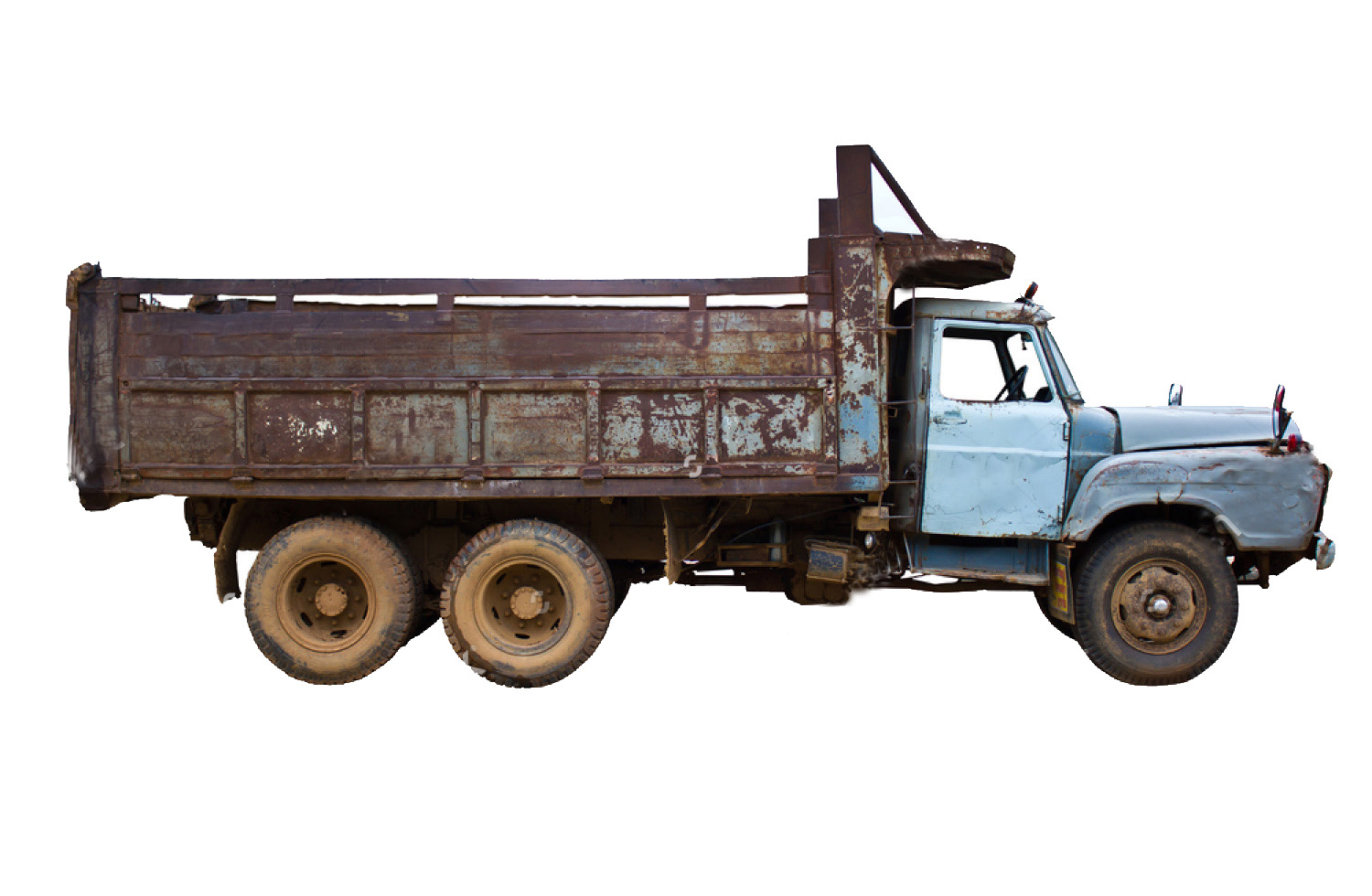
If a vehicle fails an automated fitness test, one re-test after the necessary repair/rectification, and re-inspection if ordered by the Appellate Authority, it will be declared an ELV
-
Commercial Vehicles
- Registration of vehicles is linked to validity of the fitness certificate.
- CVs undergo fitness test every 2 years for first 8 years and annually thereafter.
-
Private Vehicles: Fitness test after 15 years
- First registration is valid for 15 years
- Valid fitness certificate is necessary for renewal of registration after 15 years. Renewal is valid for 5 years
-
Fitness would be mandated through Automated Testing Stations for vehicles
- From 1st April 2023, fitness testing for Heavy Commercial Vehicles proposed to be mandated through Automated Testing Stations only.
- For all other classes of CVs as well as PVs, fitness testing through Automated Testing Station proposed to be mandated in phases from 1st June 2024.
Incentives & Disincentives

Incentives
Scrap value: 4–6% of ex-showroom price, Up to 25% concession in motor vehicle tax, OEM discount: 5%, Registration fee waiver
Disincentives
Higher fitness & re-registration fee, Increased fitness certificate charges
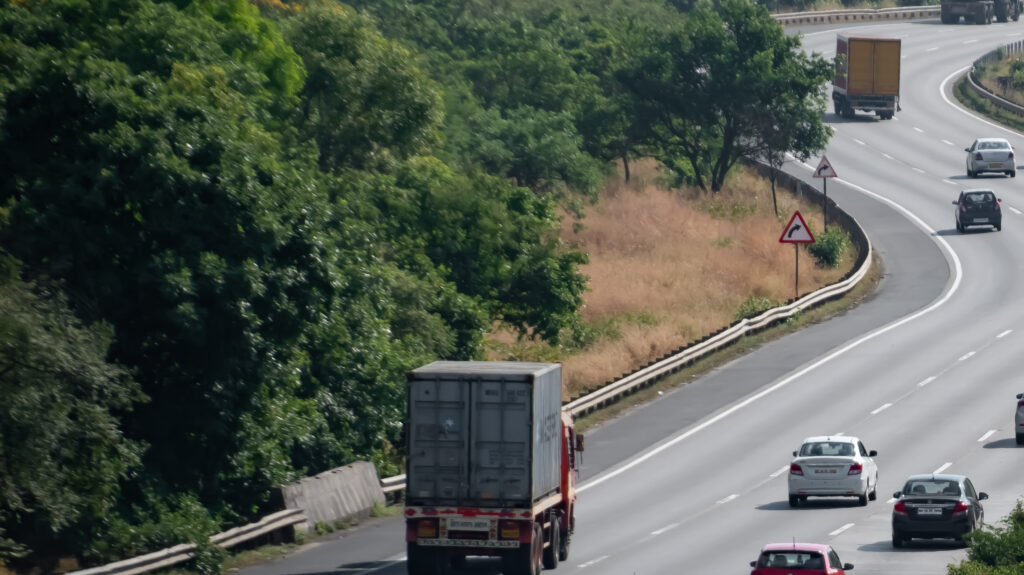
Automated Testing Stations (ATSs) to automate fitness testing
- Automated testing stations to be set up to minimize manual testing of vehicles as per the road map
- Vehicles failing automated fitness test to be defined as End-of-Life Vehicle (ELV)
- In first phase, 75 stations proposed; to be scaled to 450-500 stations across India
- Private investment to be encouraged through PPP route with partnership of state government
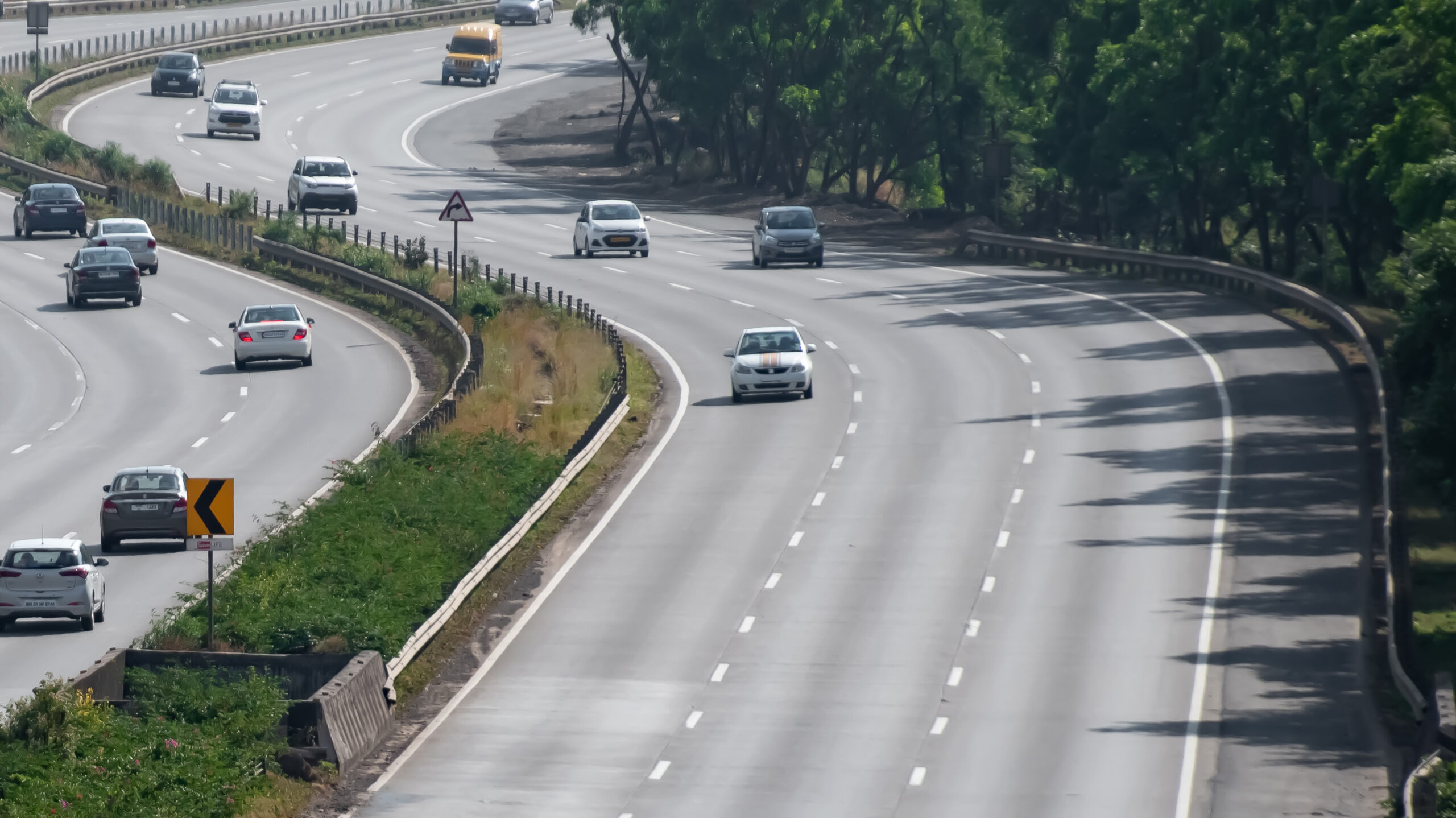
Registered Vehicle Scrapping Facilities (RVSFs) to promote safe scrapping of vehicles and enhance value discovery
- RVSFs will ensure that vehicles are scrapped in an environmentally friendly and safe manner
- RVSFs will also promote enhanced value discovery through scientific scrapping process
- In India recovery percentage is only ~75% compared to global benchmark of ~90%
- 50-70 RVSFs needed across the country in the next 4-5 years
Further, the policy outlines key steps for facilitating setting-up of necessary support infrastructure in form of Automated Testing Stations (ATSs) and Registered Vehicle Scrapping Facilities (RVSFs)
Infrastructure Development
Automated Testing Stations (ATS)
75 to begin with, scaling to 450–500, PPP model
Registered Vehicle Scrapping Facilities (RVSFs)
Environmentally safe, 50–70 needed in 4–5 years


Technology & Compliance
- Integrated with VAHAN, NCRB
- Secure digital payments
- Certificates: COD & Vehicle Scrapping
Eligibility for Scrapping
- No valid registration or fitness
- Damaged/surplus vehicles
- Voluntary surrender
- Government vehicles >15 years
© Copyright 2025 IAES Groups | powered by Swadix Global Systems Pvt Ltd.